Explore the Complete Offerings Delivered by CGCs in the Building Sector.
CGCs play a pivotal role in the construction industry, providing various services that cover every stage of a project. Their skill set covers from initial design and planning to effective project management and meeting safety rules. Hickory top rated Commercial General Contractor. By coordinating various subcontractors and ensuring quality control, they work to fulfill both budgetary constraints and schedules. This thorough approach raises important questions about the effect of their methods on project success and client approval
Understanding the Role of CGCs
Even though the construction field covers a number of functions, CGCs play a key role in supervising and directing construction projects. They are responsible for guaranteeing that projects comply with design specs, budgets, and timelines. CGCs manage diverse subcontractors, like carpenters, plumbers, and electricians, to make sure that all aspects of the construction process proceed efficiently.
In addition, they must securing necessary permits and guaranteeing compliance with local regulations and building codes. This role requires a strong grasp of construction practices, as well as strong leadership and communication skills. General contractors are the chief liaison for clients, addressing concerns and offering progress reports throughout the project’s duration. Their skill in overcoming obstacles while maintaining quality standards is vital to the successful completion of commercial building projects, thereby enhancing the efficiency and effectiveness of the industry as a whole.
Coordination and Project Management

Project management and coordination are critical components for the project success overseen by commercial general contractors. Good communication practices, resource allocation techniques, and timeline management practices play a pivotal role in ensuring that projects are completed on time and within financial limits - Hickory top rated Commercial General Contractor. By mastering these elements, contractors can improve teamwork among stakeholders and maximize project results
Effective Communication Strategies
Strong communication techniques are critically important in the success of construction projects, as they ensure that all stakeholders are in agreement and aware throughout the process. Transparent communication methods promote cooperation among architects, engineers, subcontractors, and clients, making sure everyone grasps project requirements and deadlines. Routine gatherings and information sharing help identify potential issues early, allowing for timely problem-solving. Employing contemporary communication methods, including construction management tools and handheld apps, strengthens communication flow and ensures all parties are linked. Moreover, fostering a spirit of frank conversation fosters responses and champions visibility, which can lead to improved decision-making. In the end, strong communication methods lead to easier project delivery and higher client approval in the construction industry.
Strategies for Allocating Resources
Resource distribution strategies are vital for the smooth delivery of building projects, making certain materials, manpower, and gear are used effectively. Successful resource management necessitates assessing project needs and matching them to existing resources, which helps reduce waste and maximize output. General contractors employ various strategies, for example, ordering tasks by criticality and asset readiness, to assign resources productively. Moreover, using specialized software for following resource deployment boosts judgment and responsiveness. Routine assessments of resource distribution assist in recognizing forthcoming obstacles and sectors requiring optimization, allowing for timely adjustments. By utilizing these strategies, construction firms can preserve project velocity, keep expenditures in check, and eventually accomplish project aims within the given constraints.
Techniques for Timeline Adherence
Handling project durations requires precise planning and organization to make certain that all project phases proceed without issue. Construction firms implement various deadline management strategies to boost productivity and guarantee prompt project delivery. These strategies encompass preparing specific schedules, employing PM tools, and making periodic progress checks. By defining explicit cutoff dates and goals, contractors can effectively monitor advancements and resolve potential setbacks immediately. In addition, they create information exchange rules for subs, providers, and clients to ease communication movement and prevent miscommunications. Forward-looking hazard control methods further contribute to timeline adherence, enabling modifications when faced with unexpected issues. In the end, successful schedule control is crucial for reaching project targets and preserving customer contentment in the competitive construction industry.
Planning and Architectural Services
Pre-construction and design services are vital elements of the construction process, focusing on efficient concept development approaches. Such strategies help ensure that the project's vision matches the practical implementation, while architectural coordination processes facilitate seamless collaboration among stakeholders. Prioritizing these factors, commercial general contractors can enhance project outcomes and efficiency.
Concept Development Strategies
The success of a construction project often often copyrights on its initial vision, successful concept development approaches are vital in transforming ideas into actionable plans. These strategies involve a systematic approach that includes thorough research, stakeholder engagement, and feasibility assessments. By collaborating with clients and stakeholders, commercial general contractors can identify project goals and constraints at the beginning of the process. This partnership promotes innovation and also ensures compliance with budgetary constraints and regulatory needs. In addition, prototypes and visualizations can be used to refine concepts, making adjustments possible prior to major investments. In the end, successful concept development strategies not only simplify the move from vision to reality and also minimize potential problems, laying the groundwork for a successful construction project.
Architectural Coordination Efforts
Efficient architectural coordination methods are essential for the successful execution of construction projects. These efforts require careful collaboration among architects, engineers, and contractors to make certain that design intentions are accurately translated into tangible structures. Commercial general contractors play a pivotal role in facilitating communication and aligning project goals. Contractors manage the incorporation of various design elements, resolving potential conflicts at the start of the planning phase. Such a proactive method reduces expensive delays and rework, fostering a smoother workflow. Furthermore, strong architectural coordination makes certain of compliance with building codes and local regulations, boosting project success. By streamlining design revisions and maximizing resource use, these processes ultimately contribute to the overall efficiency and quality of construction outcomes, completing projects that adhere to client expectations and standards.
Financial Oversight and Budgeting
Budget management and financial oversight are vital aspects of successful construction projects, guaranteeing that resources are efficiently allocated and expenditures do not exceed established limits. CGPs are vital in this aspect by precisely creating budgets that cover the complete breadth of the project, covering materials, review labor, and unexpected costs. This specialized knowledge enables reliable projections, which is key to preventing budget excesses and guaranteeing financial viability.
In addition, general contractors maintain strict fiscal oversight throughout the project lifecycle. They track spending against the budget, adjusting allocations as necessary to address modifications to the scope or unexpected expenses. This forward-thinking approach ensures the project remains financially sound but also fosters transparent communication with stakeholders regarding budgetary status. By providing thorough reports and consistent communication, general contractors ensure everyone is kept up-to-date, improving reliance and teamwork throughout the construction process.
Quality Control and Safety Compliance

Adherence to quality and safety standards are critical concerns in the construction industry, ensuring that projects meet established standards while preserving the health and security of all workers involved. Commercial general contractors implement thorough quality checks by performing routine check-ups, checking construction components, and confirming compliance with requirements. Such measures assist in spotting problems soon, cutting down on costly fixes and setbacks.
Safety compliance is equally critical; contractors comply with OSHA standards and established sector norms to create a secure work environment. This includes providing proper training, PPE, and maintaining clear communication regarding safety protocols.
Follow-up Services and Ongoing Assistance
Upon project finalization, commercial general contractors deliver crucial support after completion to ensure the project still satisfies client requirements. Such offerings usually feature thorough inspections to confirm adherence to requirements and local regulations. The general contractor often handles warranty administration, resolving problems that occur after the project handover.
In addition, contractors supply upkeep assistance, aiding clients in preserving the structure to prolong its lifespan and assure functionality. Staff training on new equipment and installed systems can also be provided to boost day-to-day effectiveness.
Moreover, general contractors often help with project closeout documentation, ensuring that all relevant information is organized and available for future reference. This continued assistance creates an enduring partnership between contractors and clients, promoting confidence and contentment while promoting accountability in the construction process. In general, after-build services are crucial in the project's lasting triumph.
Commonly Asked Questions
What Types of Projects Do General Contractors Commonly Undertake?
Commercial general contractors commonly oversee a wide array of jobs, like corporate facilities, retail spaces, industrial complexes, hospitals and clinics, learning centers, and housing developments, ensuring that each project meets sector benchmarks and client specifications efficiently.
How Do I Choose the Ideal General Contractor for My Development?
In order to select the best construction manager, it is necessary to review their background, verify recommendations, evaluate their fiscal health, look at completed jobs, and guarantee clear communication concerning deadlines and financial plans for effective project management.
What Obstacles That Arise During Development?
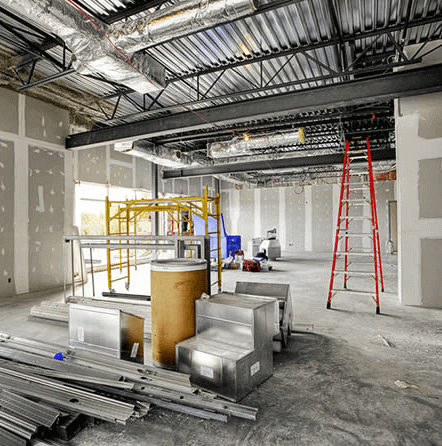
Common challenges faced during construction projects include budget overruns, timeline setbacks, lack of skilled workers, meeting legal requirements, unforeseen ground issues, and poor coordination among stakeholders. These challenges frequently hinder project execution and can lead to higher expenses and extended schedules.
How Do Builders Guarantee Adherence With Local Building Codes?
Builders ensure adherence with local building codes by thoroughly reviewing regulations, carrying out routine examinations, collaborating with local authorities, and keeping meticulous records during the entire build phase to reduce potential hazards and meet safety requirements.
What Warranties or Guarantees Are Firms Expected to Give After Project Completion?
Contractors typically provide guarantees covering workmanship and materials, with durations ranging from 1 to 10 years. Warranties usually entail fixing flaws, giving owners access to a guarantee of standard and peace of mind post-project completion.